The Best Oral Care Routine During Gum Disease Treatment
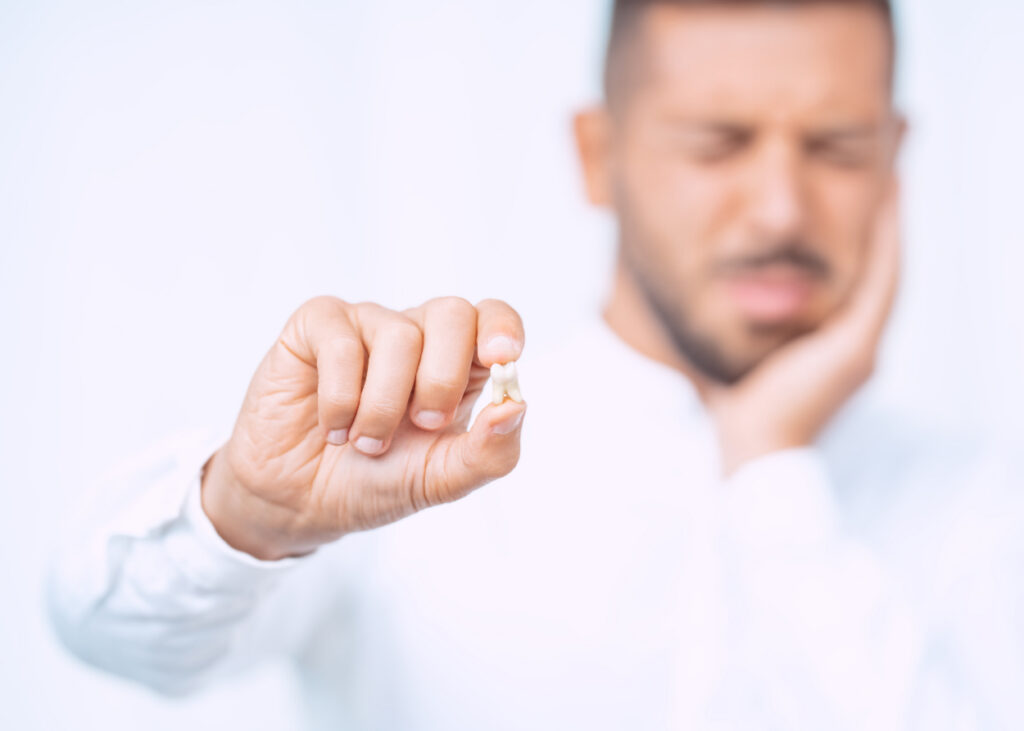


Gum disease treatment works best when what happens at home matches what happens in the dental chair. That sounds simple, but in practice it is where many people struggle. They have a deep cleaning, start using a medicated rinse, brush more aggressively than usual because they want fast results, and a week later their gums are still tender and bleeding. Then discouragement sets in.
The problem is rarely a lack of effort. More often, it is the wrong kind of effort. Inflamed gums do not respond well to harsh brushing, random product switching, or a routine built around minty feeling rather than plaque control. During gum disease treatment, the goal is not just to make the mouth feel clean. The goal is to reduce the bacterial load every day while giving irritated tissue a chance to recover.
That balance matters whether someone is being treated for early gingivitis or more established periodontitis. The exact plan depends on pocket depths, bone support, restorations, dexterity, and whether orthodontic appliances or implants are present. Still, the core routine is surprisingly consistent. Gentle, thorough plaque removal, smart timing, and consistency beat intensity almost every time.
What changes during treatment
Healthy gums can tolerate a fair amount of imperfection. Gums under treatment cannot. When inflammation is active, tissues bleed easily, the sulcus is more reactive, and plaque starts causing trouble quickly. If scaling and root planing has recently been done, the tooth surfaces may feel cleaner, but they also need meticulous daily maintenance to stay that way.
One thing patients often notice is that bleeding does not stop overnight. That does not mean the treatment failed. Bleeding is a sign of inflammation, and inflamed tissue can take days or weeks to calm down, especially if tartar buildup had been present for a long time. In my experience, people improve faster when they understand that gentle cleaning through the bleeding is often necessary. Avoiding the area because it looks irritated usually prolongs the problem.
Another shift is that product choice starts to matter more. A stiff brush, whitening toothpaste with heavy abrasives, or an alcohol-heavy rinse can make a sore mouth feel even more raw. During Gum Disease Treatment, the routine should become more deliberate and less cosmetic.
The backbone of the routine
The best home care plan is one you can repeat when you are tired, rushed, or traveling. Complexity is often the enemy. Most patients do better with a short, dependable routine than with an elaborate setup they only follow for four days.
At the center of the routine are three tools: a soft toothbrush, interdental cleaning, and a toothpaste that supports daily plaque control without over-irritating the tissues. Everything else is secondary.
Brushing should happen at least twice a day, but the quality of those two sessions matters more than squeezing in a third careless one. Two minutes is a useful benchmark, though many people with gum recession, bridgework, or crowded teeth need closer to three minutes to be truly thorough. The brush should be angled toward the gumline, not pressed flat against the tooth faces. Small, controlled strokes clean better than scrubbing.
Interdental cleaning is not optional during gum disease treatment. If plaque stays between the teeth, the gums remain inflamed even if the visible surfaces look polished. Floss works well for some people, especially those with tight contacts and good hand skills. Others do far better with interdental brushes, soft picks, or a water flosser as an adjunct. The best method is the one that reaches the space effectively and gets used every day.
Morning: set the tone for the day
The morning routine does not need to be aggressive, but it should be complete. Overnight, saliva flow drops, bacteria accumulate, and the mouth often wakes up dry. A rushed 20-second scrub before coffee is not enough when gums are already under stress.
A practical morning sequence usually looks like this:
- Clean between the teeth first, using floss or interdental brushes, so debris is loosened before brushing.
- Brush gently for two to three minutes with a soft manual brush or an electric brush on a sensitive setting.
- Spit out excess toothpaste and avoid rinsing vigorously with water, so fluoride stays on the teeth longer.
- If your dentist prescribed a medicated rinse, use it exactly as directed, paying attention to timing.
- Wait a little before eating acidic foods if your mouth feels tender or if you used a strong rinse.
That order helps in several ways. Interdental cleaning first exposes more tooth surface to the fluoride in toothpaste. Brushing before breakfast can also be more comfortable for people who are sensitive to cold fruit, juice, or toast crumbs irritating already inflamed gums. On the other hand, some people cannot tolerate brushing on an empty stomach. In those cases, brushing after breakfast can work well, provided they wait a bit if the meal was acidic. This is where judgment matters. A routine you can actually follow beats a theoretically perfect one you skip.
Night: the most important cleaning of the day
If I had to choose one session people should never miss, it would be the nighttime clean. During sleep, reduced saliva leaves the mouth with less natural protection. Plaque left around the gumline before bed has hours to sit undisturbed.
Night care should be slower and more methodical than the morning session. This is the time to stand in front of a mirror, pull the cheek aside if needed, and pay attention to the back molars where food packs and brushing tends to get lazy. Patients with lower front crowding also need to slow down here. Those teeth are notorious plaque traps, especially behind the tongue-side surfaces where calculus commonly reforms.
A useful tip is to divide the mouth mentally into small zones rather than trying to clean the whole mouth in one continuous rush. That approach improves coverage and reduces the habit of overbrushing the front teeth while missing the back.
Why softer is often better
People with bleeding gums frequently assume they need to brush harder. It is a natural reaction and almost always the wrong one. Firm pressure can flatten the bristles so they no longer clean the sulcus effectively. It can also contribute to recession, wedge-shaped wear near the gumline, and lingering soreness that makes people dread their routine.
A soft brush used with patience does more than a hard brush used with force. Electric brushes are especially helpful for patients who either rush or tend to scrub, because the brush head does the motion while the hand simply guides it. The catch is that people still press too hard with electric brushes, so pressure sensors are worth paying attention to.
Toothpaste matters too. During active treatment, a low-abrasive fluoride toothpaste is usually a safe choice. If root sensitivity is present, a toothpaste for sensitivity can be a major help, and patients often become more consistent when brushing stops hurting. Whitening pastes can wait. Brightening is not the priority when the gums are inflamed.
Choosing the right interdental tool
Floss has long been treated like the gold standard, but real life is more nuanced. The best interdental cleaner depends on the space between teeth, restorations, and patient skill. I have seen meticulous brushers fail with floss because they snap it through the contact and skip the root surface. I have also seen patients with moderate recession improve dramatically once they switched to properly sized interdental brushes.
If the contacts are tight and the papilla fills the space, floss may be ideal. If there are open embrasures, black triangles, furcation areas, or bridgework, tiny interdental brushes often clean better. Water flossers are helpful for patients with braces, implants, tender tissues, or low dexterity, but they are usually an addition rather than a complete replacement for mechanical plaque removal.
Sizing matters. A brush that slides through without touching the tooth does very little. One that is too large can traumatize the tissue and discourage regular use. This is one area where a personalized demonstration from a hygienist is invaluable. Two minutes of chairside coaching often solves what months of guesswork did not.
Mouthrinses: useful, but not magic
Medicated rinses can support Gum Disease Treatment, especially in the early phase after deep cleaning or periodontal procedures. Chlorhexidine is the classic example. It can reduce bacterial counts effectively, but it is not meant for casual, indefinite use unless specifically directed. It may stain teeth and tongue, alter taste temporarily, and contribute to extra calculus buildup in some patients.
Over-the-counter antimicrobial or essential oil rinses can also play a role, though they are not a substitute for brushing and interdental cleaning. If a rinse burns, dries the mouth, or makes the patient avoid using it, that downside matters. A milder alcohol-free rinse is often easier to stick with.
Timing matters more than people think. If you use chlorhexidine immediately after brushing with certain toothpastes, ingredients can interfere with each other. Your dentist or periodontist may recommend spacing them apart. These small details are part of why following the exact instructions from the treating office is so important.
Eating and drinking during recovery
Food choices do not cause gum disease in the same way plaque does, but they can make treatment easier or harder. A mouth that has recently undergone scaling and root planing, flap surgery, or localized antimicrobial placement often appreciates softer foods for a day or two. Yogurt, eggs, oatmeal, soup that is warm rather than hot, fish, cooked vegetables, and rice are usually more comfortable than crusty bread or sharp chips.
Frequent sugar exposure is still a problem, especially when recession exposes root surfaces that are more vulnerable to decay. Patients sometimes switch to lozenges or sweetened drinks because chewing feels uncomfortable, then end up trading one problem for another. Sipping sugary coffee all morning keeps the mouth in a prolonged acid and sugar cycle. That matters for cavities and for the overall balance of the oral environment.
Hydration helps more than it gets credit for. A dry mouth tends to feel dirtier, smell worse, and collect plaque more readily. Many adults in treatment are also taking medications for blood pressure, mood, allergies, or sleep that reduce salivary flow. In those cases, routine water intake and saliva-supporting strategies are not cosmetic extras. They are part of maintenance.
If your gums bleed, do not panic
Bleeding is one of the most misunderstood signs in dentistry. Patients often think bleeding means they should stop touching the area. Usually the opposite is true. In most cases, gums bleed because plaque-induced inflammation has made the tissue fragile. Gentle cleaning is what allows that tissue to toughen up again.
There are exceptions. If bleeding is heavy, sudden, localized to one spot that looks swollen or ulcerated, or paired with pus, severe pain, or a bad taste from one area, the treating office needs to know. The same goes for patients on anticoagulants or those with medical conditions that affect clotting. But for ordinary inflamed gums, light bleeding during cleaning can be expected at first.
A pattern I see often is that people clean diligently for three days, see a little blood, then back off. That stop-start cycle keeps inflammation simmering. More progress happens when they continue carefully for two full weeks and then reassess. The tissue often looks and feels very different by then.
Common mistakes that slow healing
Most setbacks during home care are not dramatic. They are small habits repeated daily. A few show up again and again in periodontal cases:
- Brushing harder instead of brushing better.
- Skipping the back molars, especially on the cheek side of the upper teeth and the tongue side of the lower teeth.
- Using floss only where food gets stuck, not between every contact.
- Stopping prescribed rinses early or using them more often than directed.
- Smoking or vaping during healing, which can mask bleeding while still impairing recovery.
Tobacco deserves special mention. Smokers sometimes believe their gums are improving because they bleed less. In reality, nicotine can constrict blood vessels and hide one of the classic warning signs of inflammation. The disease process may still be active beneath the surface. Healing is generally slower, attachment outcomes are often worse, and maintenance becomes more critical.
What to do if you have sensitivity
Sensitivity is common during Gum Disease Treatment, especially after calculus removal exposes root surfaces that had been covered for a long time. The teeth are not necessarily getting weaker. They are simply more exposed and more aware of temperature and touch.
A sensitivity toothpaste used consistently, not just once or twice, often helps within a couple of weeks. Lukewarm water instead of icy water can reduce discomfort immediately. So can avoiding abrasive pastes and not brushing right after acidic foods. Some patients benefit from a fluoride varnish or desensitizing treatment in the office if the sensitivity becomes a barrier to proper cleaning.
The key point is that sensitive teeth still need to be cleaned. If soreness makes you avoid whole sections of the mouth, plaque returns fast and the inflammation deepens. This is one of those moments where asking for help early prevents a rough cycle later.
Dental work changes the routine
Not every mouth has the same map. Crowns, bridges, implants, orthodontic wires, bonded retainers, and partial dentures all change plaque retention and access. During treatment, these details matter.
Bridgework often requires floss threaders, super floss, or interdental brushes under the pontic. Implants need careful plaque control without excessive force, and metal instruments at home are a poor idea. Orthodontic appliances trap plaque near the gum margin and make a water flosser more valuable. Lower bonded retainers collect buildup quickly behind the front teeth and usually require a special flossing technique or narrow brushes.
This is why generic advice can fall flat. Someone with wide embrasures after periodontal bone loss should not be told simply to floss more. They may need a small interdental brush that actually contacts the root surface. Someone with perfect dexterity can do excellent work with string floss. Someone with arthritis may need a different setup entirely. Good periodontal home care is practical, not dogmatic.
The role of professional maintenance
Home care is essential, but it cannot replace periodontal maintenance visits. Once a patient has had gum disease significant enough to require treatment, the mouth usually benefits from a tighter recall interval than the standard twice-a-year pattern. Many periodontists recommend maintenance every three to four months, at least for a period of time, because harmful bacteria repopulate periodontal pockets well before six months.
These visits are not just cleanings. They are checkpoints. Pocket depths are reassessed, bleeding points are tracked, plaque control is reviewed, and small relapses are caught before they become large ones. The most successful long-term periodontal patients are rarely the ones with the most elaborate bathrooms. They are the ones who combine solid daily care with consistent maintenance.
When to call your dentist or periodontist
A little tenderness after treatment can be normal. Ongoing deterioration is not. Reach out if a specific area stays swollen, if bad breath persists despite careful cleaning, if teeth start feeling looser, or if chewing becomes uncomfortable in a new way. A gum abscess often starts as a sore, puffy area that suddenly tastes foul when it drains. That situation needs attention, not watchful waiting.
Patients should also call if they are confused about instructions. There is no prize for guessing. A quick question about whether to use the rinse before or after brushing, or whether a water flosser is appropriate after a procedure, can prevent a week of missteps.
The routine that tends to work best
For most adults going through gum disease treatment, the most effective oral care routine is remarkably unglamorous. Brush twice daily with a soft brush and careful technique. Clean between https://www.podbean.com/user-Jm5Yyxh2gI3G the teeth every day using the tool that fits your mouth, not the one that sounds most virtuous. Use prescribed rinses correctly. Keep the nighttime routine nonnegotiable. Choose foods and habits that do not keep the mouth inflamed. Show up for maintenance.
There is a quiet discipline to good periodontal care. It does not feel dramatic from one day to the next. Then, usually somewhere between the second and sixth week, people notice they can floss without that metallic taste. Their gums look less puffy. Morning breath improves. The toothbrush foam is no longer pink. Those changes are not small. They are the visible signs that the tissue is finally getting the environment it needs to heal.
That is what the best routine does. It turns treatment from a single event into a steady recovery.
Avra Dental
Address: 1708 S Victoria Ave B, Ventura, CA 93003
Phone number: +18057653206
FAQ About Gum Disease Treatment
Can I make my gums healthy again?
Yes, you can make early-stage gum disease completely healthy again, but advanced damage requires professional care to manage.
Can you cure gum disease?
You can cure early-stage gum disease, but advanced gum disease cannot be fully cured.
Can I live a normal life with gum disease?
Yes, you can live a normal life with gum disease, but it requires active, lifelong management to control the condition and prevent serious complications